Impact of Lifestyle on Hypogonadism

Recognizing that your environment can significantly influence your hormonal health is crucial. Have you considered the hidden factors that might be affecting your testosterone levels? Understanding hypogonadism and its multifaceted impacts is your first step towards better health.
What You Will Learn
- Hypogonadism can lead to symptoms such as fatigue, reduced libido, and mood swings, highlighting its broad impact on quality of life.
- Testosterone is essential for physical health, affecting muscle mass, fat distribution, and energy levels.
- Environmental factors, including endocrine-disrupting chemicals and air pollution, can significantly lower testosterone levels.
- Lifestyle changes, such as exercise, mindfulness practices, and specific supplements, can effectively enhance testosterone production.
Understanding Influences on Male Hypogonadism
Several critical environmental and lifestyle factors contribute to hypogonadism, alongside effective non-pharmacologic approaches for management. The following visual illustrates these key areas.
Environmental Contributors
- • Endocrine-Disrupting Chemicals (EDCs)
- • Air Pollution & Toxins
- • Pesticides & Agricultural Chemicals
*Minimize exposure
Non-Pharmacologic Approaches
- • Supplements (Vit D, Zinc, Adaptogens)
- • Holistic Practices (Meditation, Yoga)
- • Regular Exercise (Strength, HIIT)
*Boost testosterone naturally
Understanding Hypogonadism: Key Environmental and Lifestyle Influences
At Hypogonadal Health, we believe that understanding hypogonadism is essential for anyone looking to improve their health and vitality. So, what exactly is male hypogonadism, and how does it impact overall health? In simple terms, hypogonadism refers to the body's inability to produce adequate amounts of testosterone, an important hormone for various bodily functions. This deficiency can lead to a range of health issues, including fatigue, decreased libido, and even mood changes.
The impact of hypogonadism goes beyond just physical symptoms. It can affect mental health, energy levels, and metabolic functions. Have you ever felt more tired than usual or experienced a dip in your motivation? These could be signs of low testosterone levels. By recognizing these symptoms, you can take the first steps toward talking to your healthcare provider about your hormonal health.
Defining Male Hypogonadism and Its Impact on Health
Male hypogonadism is often categorized into two types: primary and secondary. Primary hypogonadism occurs when the testes fail to produce enough testosterone, while secondary hypogonadism is related to issues with the pituitary gland or hypothalamus. Understanding these distinctions is crucial for effective treatment and management.
- Fatigue and low energy
- Reduced libido or sexual dysfunction
- Depression or mood swings
These symptoms can deeply impact a man's quality of life. If you recognize any of these, don’t hesitate to seek advice. Knowledge is power, and being informed about hypogonadism can help you take control of your health journey.
The Role of Testosterone in Male Health
Testosterone plays a vital role in male health. It influences muscle and bone mass, fat distribution, and even red blood cell production. Imagine testosterone as the fuel that keeps your body running smoothly. When levels dip, it can lead to a variety of health issues, including increased body fat and muscle loss.
- Mood regulation and mental clarity
- Libido and sexual function
- Physical strength and stamina

Maintaining balanced testosterone levels is critical for overall well-being, and understanding how this hormone functions can empower you to make informed decisions about your health.
The Connection Between Hormonal Imbalance and Male Fertility
One of the most significant impacts of hypogonadism is on male fertility. Low testosterone levels can lead to reduced sperm production and lower fertility rates. This can be particularly concerning for men who are planning to start a family.
To highlight the importance of hormonal balance, here are some factors that can influence fertility:
- Age and hormonal changes
- Medical conditions affecting the reproductive system
- Lifestyle factors such as diet and exercise
Understanding these connections allows men to address fertility issues head-on, potentially improving their chances of conception.
Environmental Factors Contributing to Hypogonadism
As we delve into the environmental factors that contribute to hypogonadism, it’s essential to recognize how our surroundings can subtly impact our hormonal health. Many everyday chemicals and pollutants can disrupt hormonal balance, leading to decreased testosterone levels.
- Endocrine-disrupting chemicals (EDCs)
- Air pollution and toxins
- Pesticides and agricultural chemicals
By being aware of these factors, you can take proactive steps to minimize exposure and protect your health.
Exploring Endocrine-Disrupting Chemicals (EDCs)
EDCs are substances that can interfere with hormone systems and lead to various health problems. Common sources include household products, plastics, and personal care items. Understanding these sources is vital for reducing exposure and supporting your hormonal health.
Common Sources of EDCs: BPA, Phthalates, and Heavy Metals
Here are some common EDCs you might encounter:
- BPA: Often found in plastics and food containers
- Phthalates: Commonly used in personal care products and fragrances
- Heavy Metals: Found in certain fish, contaminated water, and some types of paint
Taking simple steps, such as reducing plastic use and choosing natural products, can significantly lower exposure to these harmful chemicals.
How EDCs Disrupt Hormonal Balance and Affect Testosterone Levels
When exposed to EDCs, the body may experience hormonal imbalances that can lead to decreased testosterone production. Think of it as a traffic jam in your hormonal pathways, where signals get misdirected, ultimately impacting your health. Being mindful of your environment can play a crucial role in maintaining hormonal balance. For further reading on this topic, a study on environmental factors and male hypogonadism provides valuable insights.
The Impact of Air Pollution and Pesticides
Air pollution and pesticides are not just environmental concerns; they can also have serious implications for hormonal health. Studies have shown that exposure to these toxins can lead to oxidative stress, which can harm testosterone levels. Research published in Frontiers in Aging further explores how environmental factors influence male testosterone levels.
Understanding the Mechanisms of Oxidative Stress Induced by Environmental Toxins
Oxidative stress occurs when there is an imbalance between free radicals and antioxidants in the body. This stress can damage cells and tissues, including those responsible for hormone production. It’s essential to recognize these risks and adopt preventive measures.
Case Studies: Environmental Exposures and Male Reproductive Health
Research indicates a clear link between exposure to environmental toxins and declines in male reproductive health. By examining case studies, we can better understand the impact these toxins have on testosterone levels and fertility. An article in Social Science & Medicine discusses the social determinants of male reproductive aging, including environmental influences.
Linking Environmental Pollutants to Inflammation and Hormonal Disruption
Many environmental pollutants can trigger inflammation in the body, further complicating hormonal balance. Addressing these factors is crucial not only for hormonal health but also for overall well-being. By becoming aware of these influences, you can make informed choices that support your health.
We Want to Hear From You!
What do you think about the lifestyle changes discussed for managing hypogonadism? Have you implemented any strategies to enhance your testosterone levels? Share your thoughts below:
Frequently Asked Questions About Hypogonadism and Hormonal Health
Q1: What is male hypogonadism?
Male hypogonadism is a condition where the body does not produce enough testosterone, an essential hormone for various bodily functions. It can lead to symptoms such as fatigue, decreased libido, and mood changes.
Q2: What are the main types of hypogonadism?
Hypogonadism is typically categorized into primary and secondary types. Primary hypogonadism occurs when the testes themselves fail to produce enough testosterone. Secondary hypogonadism is due to problems with the pituitary gland or hypothalamus, which regulate testosterone production.
Q3: How does testosterone impact overall male health?
Testosterone plays a crucial role in male health, influencing muscle and bone mass, fat distribution, red blood cell production, mood regulation, libido, and physical strength. Maintaining balanced levels is vital for overall well-being.
Q4: Can environmental factors affect testosterone levels?
Yes, environmental factors such as exposure to endocrine-disrupting chemicals (EDCs), air pollution, and pesticides can significantly disrupt hormonal balance and lead to decreased testosterone levels.
Q5: What are EDCs and where are they found?
EDCs (Endocrine-Disrupting Chemicals) are substances that can interfere with the body's hormone systems. Common sources include BPA (in plastics), phthalates (in personal care products), and heavy metals (in contaminated water and some paints).
Q6: What non-pharmacologic approaches can help manage hypogonadism?
Non-pharmacologic approaches include lifestyle changes like taking specific supplements (e.g., Vitamin D, Zinc, adaptogens), adopting holistic practices (e.g., meditation, yoga), and engaging in regular exercise (especially strength training and HIIT).
Strategies for Prevention and Management of Hypogonadism
When it comes to managing hypogonadism, there are numerous non-pharmacologic approaches that can effectively enhance testosterone levels. At Hypogonadal Health, we believe in empowering individuals to take charge of their hormonal health through informed choices. Let’s explore various strategies that can help improve your testosterone levels naturally.
Non-Pharmacologic Approaches to Enhancing Testosterone Levels
Many individuals are surprised to discover that simple lifestyle changes can lead to substantial improvements in their hormonal health. Here are some effective strategies to consider:
- Supplements: Vitamin D, Zinc, and Adaptogens
- Holistic Practices: Incorporating mindfulness and relaxation techniques
- Exercise: Regular physical activity and its mental health benefits
Each of these strategies plays a pivotal role in boosting testosterone levels while also promoting overall well-being. For instance, studies have shown that Vitamin D and Zinc are crucial for testosterone production. Meanwhile, adaptogens like ashwagandha can help your body manage stress better!
Supplements: Vitamin D, Zinc, and Adaptogens
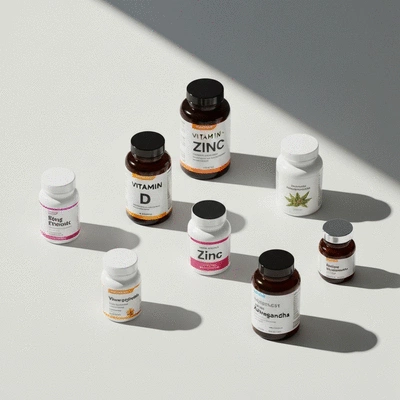
Vitamin D deficiency has been linked to lower testosterone levels. This vitamin is vital for numerous bodily functions, and ensuring you get enough can make a significant difference. Similarly, Zinc is essential for testosterone synthesis and can be obtained through supplements or zinc-rich foods like meat and seafood.
Adaptogens such as rhodiola and ashwagandha help your body adapt to stress. They can also support hormonal balance, making them a great addition to your regimen!
Holistic Practices for Improved Hormonal Health
Beyond supplements, holistic practices can greatly enhance your hormonal health. Techniques like meditation, yoga, and deep breathing exercises can help reduce stress and improve overall hormonal balance. Have you tried incorporating any mindfulness practices into your daily routine?
Finding a few minutes each day to unwind can positively affect your testosterone levels, leading to improved mental clarity and reduced anxiety.
Understanding the Role of Exercise in Boosting Testosterone and Mental Health
Exercise is a powerful tool in managing hypogonadism. Engaging in regular physical activity not only boosts testosterone levels but also enhances mood and overall mental health. Studies suggest that strength training and high-intensity interval training (HIIT) are particularly effective.
Even light activities like walking or cycling can yield benefits when done consistently. What’s your favorite way to stay active? Remember, every little bit counts!
Conclusion: Taking Control of Your Hormonal Health
Recognizing the environmental and lifestyle factors contributing to hypogonadism is the first step towards taking control of your hormonal health. By implementing practical changes, such as incorporating specific supplements, adopting holistic practices, and prioritizing regular exercise, you can significantly improve your testosterone levels.
At Hypogonadal Health, we encourage you to explore these strategies and personalize them to fit your lifestyle. After all, your journey to better health starts with informed choices and consistency!
Recap of Key Points
Here is a quick recap of the important points discussed in the article:
- Hypogonadism is the body's inability to produce adequate testosterone, leading to symptoms like fatigue, reduced libido, and mood changes.
- Understanding the types of hypogonadism (primary and secondary) is crucial for effective management and treatment.
- Testosterone plays a vital role in male health, influencing mood, libido, and physical strength.
- Environmental factors, such as endocrine-disrupting chemicals and air pollution, can negatively impact testosterone levels.
- Lifestyle changes, including proper nutrition, exercise, and mindfulness practices, can significantly enhance testosterone levels naturally.
- Consulting healthcare professionals about hormone health is key for personalized treatment and informed decision-making.

Dr. Maxwell Bennett
Dr. Maxwell Bennett is a dedicated endocrinologist with extensive experience in hormone health and endocrine disorders. With a passion for patient education and a commitment to advancing the understanding of hypogonadism, Dr. Bennett provides evidence-based insights and practical guidance to help individuals achieve optimal health and vitality. His expertise encompasses testosterone deficiency, hormone replacement therapy, and lifestyle management strategies that promote hormone balance.
Popular Posts
Finding Support in Hormone Therapy
![Hypogonadism Support Groups and Counseling: Emotional Health During Hormone Therapy]() What if the key to unlocking your vitality lies in understanding the hormones that influence your bo
What if the key to unlocking your vitality lies in understanding the hormones that influence your bo
 What if the key to unlocking your vitality lies in understanding the hormones that influence your bo
Impact of Lifestyle on Hypogonadism
![Environmental and Lifestyle Factors in Hypogonadism: Alcohol, Stress, and Toxins]() Recognizing that your environment can significantly influence your hormonal health is crucial. Have
Recognizing that your environment can significantly influence your hormonal health is crucial. Have
 Recognizing that your environment can significantly influence your hormonal health is crucial. Have
Measuring Lifestyle Impact on Testosterone
![Tracking Progress: Using Lifestyle Metrics to Monitor Improvement in Testosterone Levels]() Have you considered how fluctuations in your testosterone levels might affect your daily energy and
Have you considered how fluctuations in your testosterone levels might affect your daily energy and
 Have you considered how fluctuations in your testosterone levels might affect your daily energy and
Testicular Injury and Hormone Impact
![Trauma and Testicular Injury: How Physical Damage Leads to Hypogonadism]() Trauma to the testicles can have profound effects on hormonal health, but understanding the causes a
Trauma to the testicles can have profound effects on hormonal health, but understanding the causes a
 Trauma to the testicles can have profound effects on hormonal health, but understanding the causes a
