Symptoms of Hypogonadism
- ✓ Fatigue
- ✓ Decreased Libido
- ✓ Difficulties with Concentration
- ✓ Mood Swings
- ✓ Feeling of Inadequacy
What if the key to unlocking your vitality lies in understanding the hormones that influence your body and emotions? Hypogonadism is a condition often shrouded in mystery, but recognizing its impact can lead to profound benefits. Let’s delve into the essential lessons you’ll glean from exploring this crucial topic.
Understanding the nuances of hypogonadism involves recognizing its symptoms, identifying potential causes, and exploring the benefits of testosterone therapy. Below is a comparative overview of key aspects related to this condition, designed to help you grasp the essential information at a glance.
Understanding hypogonadism can often feel like unearthing a hidden truth about your body. At its core, hypogonadism refers to the body’s inability to produce enough testosterone, a vital hormone that influences numerous physical and emotional functions. This condition can manifest in various ways, such as fatigue, diminished libido, and even mood swings. The emotional toll of these symptoms can be as significant as the physical ones, leading to feelings of inadequacy and depression.
Low testosterone levels can affect men and women alike, causing a ripple effect on overall well-being. It’s essential to recognize the symptoms early on so that individuals can seek appropriate help. If you've experienced a sudden shift in energy levels or mood, you might want to consider evaluating your hormone health. Remember, acknowledging these feelings is the first step towards reclaiming your vitality. For more information on the impact of hormonal changes, particularly in women, you can refer to recent research on perimenopause and its potential impacts on mental health.
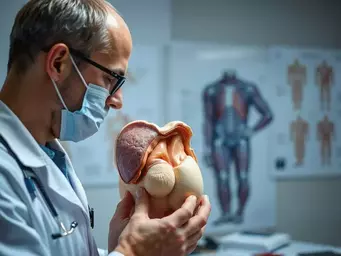
Hypogonadism can be classified into primary and secondary forms. Primary hypogonadism indicates a problem within the testes or ovaries, while secondary hypogonadism results from issues in the hypothalamus or pituitary gland. Both types can lead to low testosterone levels and a range of health issues.
By understanding what hypogonadism entails, you empower yourself to seek the right treatment options. It's vital to consult with healthcare professionals who specialize in hormone health. This approach not only addresses the physical aspects of the condition but also the emotional challenges that often accompany it.
Hormone therapy can be transformative, but it isn't without its challenges. The emotional strain often stems from the initial adjustments to treatment. Many individuals report feeling anxious about the changes in their bodies and lives as they start therapy. This period of adaptation can be filled with uncertainty, but it’s also an opportunity for growth.
Being aware of these emotional responses is crucial for effective coping. At Hypogonadal Health, we believe that fostering a supportive community helps individuals feel less alone in their journey. By sharing experiences, you can learn from others who have faced similar challenges. This focus on patient-centered care and the importance of support is echoed in discussions about advances in women's health research and care.
Testosterone therapy can offer profound benefits for those diagnosed with low testosterone levels. It may improve energy levels, enhance mood, and boost libido—all critical aspects of personal well-being. As you consider this path, it’s essential to weigh both the benefits and potential side effects.
Every individual’s journey is unique, and what works for one person may differ for another. Keeping an open dialogue with your healthcare provider allows for personalized treatment plans. Remember, at Hypogonadal Health, we are committed to providing you with the insights you need to navigate your hormone health effectively.
As you navigate the complexities of hypogonadism and consider treatment options, we want to hear from you! What aspect of hormone therapy do you find most important?
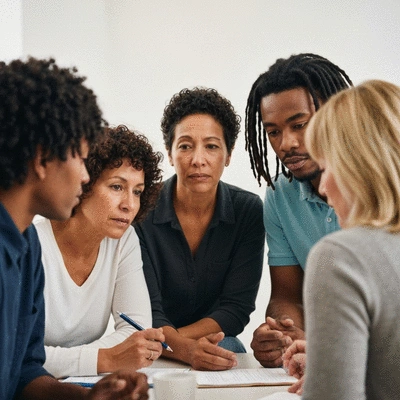
Navigating hypogonadism can feel like a daunting journey, but finding the right support can make a significant difference. In my experience at Hypogonadal Health, I’ve seen how connecting with others facing similar challenges can lead to empowerment and improved emotional well-being. Let’s explore the various types of support groups available to those dealing with hypogonadism.
Support groups come in many forms, each offering unique benefits. Some individuals prefer the camaraderie found in peer-led groups, while others may find the guidance of professionals more reassuring. Understanding the distinctions can help you choose the right environment for your personal journey. The importance of such support systems is a key area of focus for organizations like the Society for Women's Health Research, which emphasizes the need for comprehensive care and community.
When considering support options, it's important to understand the differences between peer-led and professional-led groups:
Both types of support groups can be beneficial, depending on your needs. Have you thought about which format might resonate more with you? Sometimes, the choice can lead to a more enriching experience as you seek to manage your condition.
Support is available in various formats, making it easier to find what works for you. Here’s a quick overview of options:
Finding the right support option can significantly impact your experience with hypogonadism. Whether you prefer in-person gatherings or the convenience of online communities, don't hesitate to reach out and engage with others who understand your journey.
In many areas, local support groups meet regularly to discuss experiences and share information. These groups often create a warm, welcoming environment where participants can feel safe discussing their emotions and challenges. Have you checked if there are any groups in your area? It might be worth a visit!
There are numerous online platforms where individuals can connect over shared experiences. These forums can be invaluable for sharing resources, tips, and emotional support. I encourage you to explore options like Facebook groups or dedicated forums for hypogonadism, where you can interact with others who truly understand.
For those experiencing infertility due to hormonal issues, specialized support services can be incredibly beneficial. These counseling services often provide tailored guidance to address the emotional aspects of infertility, helping individuals and couples cope with the challenges they face. Are you aware of any local options or online resources available?
Here is a quick recap of the important points discussed in the article:
Dr. Maxwell Bennett is a dedicated endocrinologist with extensive experience in hormone health and endocrine disorders. With a passion for patient education and a commitment to advancing the understanding of hypogonadism, Dr. Bennett provides evidence-based insights and practical guidance to help individuals achieve optimal health and vitality. His expertise encompasses testosterone deficiency, hormone replacement therapy, and lifestyle management strategies that promote hormone balance.