Why Monitor Testosterone Levels?
Early identification of health issues, tracking treatment effectiveness, and understanding hormone correlation with overall well-being.
Have you considered how fluctuations in your testosterone levels might affect your daily energy and mood? Tracking these levels is not just about numbers; it’s a gateway to understanding your health better and making informed decisions towards a more vibrant life.
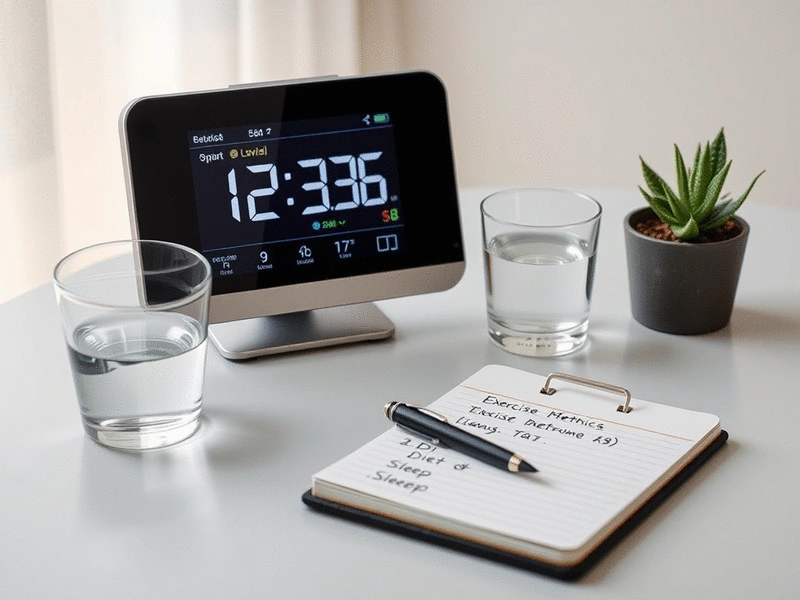
Understanding the core components of tracking testosterone levels can help you make informed decisions about your health. The visual below highlights why monitoring, lifestyle metrics, and impact on men's health are crucial.
Early identification of health issues, tracking treatment effectiveness, and understanding hormone correlation with overall well-being.
Tracking your testosterone levels is crucial for maintaining overall health and vitality. As an endocrinologist at Hypogonadal Health, I often emphasize how monitoring these levels can provide insight into your hormonal balance. Have you ever wondered why certain days feel more energetic than others? It might all come down to your testosterone levels. Understanding these fluctuations can empower you to take charge of your health journey.
In this section, we’ll explore why you should monitor your testosterone levels, how lifestyle factors play a role in hormone tracking, and the broader implications for men’s health. By staying informed, you’ll be equipped to make better health decisions.
There are several compelling reasons to keep an eye on your testosterone levels. Monitoring can help you:
Additionally, regular checks can help you maintain optimal hormone balance, leading to improvements in mood, energy, and even libido. By keeping an accurate record, you can connect the dots between your lifestyle choices and hormone health.
Besides testosterone levels themselves, various lifestyle metrics contribute to a comprehensive understanding of hormone health. Factors such as sleep quality, dietary habits, and physical activity play vital roles in how your body produces and regulates hormones. By tracking these metrics, you can gain deeper insights into your hormonal status.
By integrating these factors into your tracking routine, you’ll be better positioned to recognize patterns and make necessary adjustments to improve your testosterone levels.
Testosterone levels are not just about physical strength; they profoundly affect your overall health. Low testosterone can lead to various issues, such as fatigue, mood swings, and decreased motivation. It's essential to understand that hormones influence more than muscle mass; they impact mental health and life satisfaction.
By becoming aware of how your hormone levels influence different aspects of health, you can take proactive steps in your wellness journey. Regular monitoring enables you to make informed lifestyle choices that directly support your hormone balance.
Have you ever experienced fluctuations in your energy levels related to your testosterone? How do you track your lifestyle habits alongside your hormone levels? Share your thoughts below:
Here are some common questions about tracking testosterone levels and their implications for health:
When it comes to tracking your testosterone levels, understanding your data is crucial. It's not just about the numbers; it's about what those numbers mean in the context of your health. At Hypogonadal Health, we emphasize the importance of recognizing trends over isolated values. By monitoring these trends, you can get a clearer picture of how your hormone levels fluctuate and how they correlate with your lifestyle choices.
For instance, a single measurement may not accurately reflect your hormonal health. Instead, look for patterns over time. Are your testosterone levels consistently low, or do they fluctuate based on your lifestyle changes? This understanding can help you make informed decisions regarding your health.
Recognizing the difference between trends and single values is essential for effective hormone tracking. Here are some key points to consider:
By focusing on trends, you gain a more comprehensive understanding of your hormonal health. This approach helps you identify what lifestyle changes are positively or negatively affecting your testosterone levels.
While tracking your testosterone levels is empowering, there are instances when professional guidance is crucial. Be on the lookout for these red flags:
At Hypogonadal Health, we encourage you to take your findings seriously and communicate openly with your healthcare provider to explore potential treatment options.
Hormone therapy, specifically testosterone replacement therapy (TRT), may be a viable option if your testosterone levels remain low and you're experiencing bothersome symptoms. Understanding your data can guide these discussions with your doctor. Here are some common considerations:
In collaboration with your healthcare provider, you can determine if hormone therapy is the right choice for you, based on your tracking data and symptoms.
Now that you've analyzed your testosterone levels and understood the implications, it's time to take action! Adjusting your lifestyle can lead to improved hormone levels and overall well-being. At Hypogonadal Health, we advocate for informed and realistic changes to enhance your health journey.
Making simple yet effective adjustments to your daily routine can significantly impact your testosterone levels. Consider these strategies:
By implementing these lifestyle changes, you can create a supportive environment for optimal testosterone production.
It's important to set achievable goals that align with your testosterone tracking findings. Start small and gradually build on your successes. Whether it's committing to a new exercise routine or improving your sleep hygiene, each step brings you closer to enhanced hormone health!
For sustained improvements, consider health interventions that suit your lifestyle. This could include seeking professional guidance for dietary changes, engaging in regular physical assessments, or even exploring hormone therapies if indicated. Remember, the goal is not just to boost testosterone levels but to foster a healthier, more vibrant you.
Monitoring your testosterone levels is a powerful tool for understanding your health. It equips you with the knowledge to make informed choices while empowering you to take control of your well-being. At Hypogonadal Health, we believe that education and awareness are key to achieving hormone balance.
As you continue to track your progress, remember that knowledge is power! Utilize the insights gained from your data to drive meaningful changes in your life. Your hormonal health is a journey—embrace it!
Ready to take your first steps? Start by establishing a personalized tracking plan that includes regular testing, lifestyle adjustments, and professional consultations. By actively engaging with your health data, you can create a roadmap to improved testosterone levels and overall vitality. Let's embark on this journey together!
Here is a quick recap of the important points discussed in the article:
Dr. Maxwell Bennett is a dedicated endocrinologist with extensive experience in hormone health and endocrine disorders. With a passion for patient education and a commitment to advancing the understanding of hypogonadism, Dr. Bennett provides evidence-based insights and practical guidance to help individuals achieve optimal health and vitality. His expertise encompasses testosterone deficiency, hormone replacement therapy, and lifestyle management strategies that promote hormone balance.