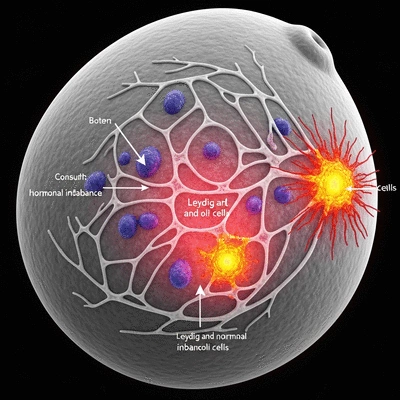
Key Pathophysiology of Testicular Injury
Disruption of Leydig Cells
(Testosterone Production)Disruption of Sertoli Cells
(Spermatogenesis Support)Trauma to the testicles can have profound effects on hormonal health, but understanding the causes and consequences of such injuries is essential for taking proactive steps. This overview will arm you with the knowledge needed to recognize and address testicular injuries effectively. Are you ready to learn how to safeguard your health?
The following visual summarizes key aspects and consequences of testicular trauma, highlighting its link to hypogonadism.
Disruption of Leydig Cells
(Testosterone Production)Disruption of Sertoli Cells
(Spermatogenesis Support)Trauma to the testicles is a serious issue that can lead to complications such as hypogonadism. At Hypogonadal Health, I believe it's important to understand the different aspects of testicular injury and how it can affect hormone health. With the right information, we can better manage our well-being and make informed choices about our health.
Testicular trauma can occur due to various incidents, and recognizing these causes is vital for prevention and treatment. Do you know someone who has experienced a testicular injury? It’s a topic that often goes unspoken, yet it’s important to shed light on it.
Understanding the causes of testicular trauma is the first step in acknowledging a potential health issue. Testicular injury typically occurs as a result of sudden impacts or accidents. Here are some common incidents leading to testicular injury:
Each of these situations can result in varying degrees of injury, making awareness essential. The mechanisms behind these injuries often involve blunt force, which can have significant effects on testicular health.
As mentioned, sports-related injuries top the list, but they are not the only culprits. Everyday activities can also lead to trauma. For instance, a sudden fall can cause enough force to damage the testicles. Understanding these incidents helps individuals recognize risks and take precautions.
When blunt force trauma occurs, it can disrupt the testicular structure and function. This disruption may affect the Leydig and Sertoli cells, which are crucial for testosterone production and overall reproductive health. The impact can lead to immediate symptoms like swelling and pain, and potentially long-term consequences if not addressed promptly. Research from PMC NCBI highlights the potential impact of testicular injury on reproductive function, emphasizing the importance of understanding these mechanisms.
The effects of testicular trauma extend beyond immediate pain. When trauma disrupts the function of Leydig and Sertoli cells, it can lead to hypogonadism, which is characterized by low testosterone levels. This can profoundly impact one's energy, mood, and overall health. Recognizing this connection is crucial for timely intervention.
Both Leydig and Sertoli cells play essential roles in hormone production and spermatogenesis. When subjected to trauma, these cells can become damaged, leading to decreased testosterone production and fertility issues. For instance, studies published in Frontiers in Endocrinology discuss how testicular trauma can disrupt the hormonal axis, leading to hypogonadism. It is imperative to seek medical advice if trauma occurs, as early intervention can make a significant difference.
A more severe form of injury is testicular rupture, where the protective layers of the testicle tear open. This condition requires immediate medical attention, as it can lead to complications such as infection and long-term hormonal imbalances. Awareness of the signs and seeking prompt treatment can help mitigate these risks.
Testicular volume is a crucial factor in assessing the severity of an injury. A significant reduction in volume can indicate severe trauma and potential loss of function. Regular check-ups and discussions with health professionals can help monitor testicular health after any trauma, as detailed by research from University of Minnesota experts on the potential impact of testicular trauma on reproductive function.
Have you or someone you know experienced a testicular injury? How did it impact your health and well-being? Share your thoughts and insights below:
A1: Hypogonadism is a condition where the body doesn't produce enough testosterone. Testicular trauma can damage the Leydig cells in the testicles, which are responsible for testosterone production, leading to hypogonadism and its associated symptoms.
A2: Common causes include sports injuries (especially in contact sports), accidents involving machinery or blunt objects, falls during physical activities, and motor vehicle accidents. These incidents often involve blunt force trauma.
A3: Leydig cells produce testosterone, while Sertoli cells support spermatogenesis (sperm production). Damage to either of these cell types due to trauma can result in decreased testosterone levels, hormonal imbalances, and fertility issues.
A4: Testicular rupture is a severe injury where the protective layers of the testicle tear. Signs include immediate severe pain, significant swelling, bruising, and tenderness. Immediate medical attention is crucial to prevent complications such as infection and long-term hormonal imbalances.
A5: Early diagnosis and intervention are vital to minimize the long-term effects of testicular trauma, including preventing severe hormonal disruptions, preserving fertility, and avoiding complications such as infection or chronic pain. Prompt medical care can significantly improve outcomes.
As we wrap up our discussion on testicular trauma and its relationship with hypogonadism, it's important to reflect on a few key takeaways. Understanding the complexities of testicular injury can empower you to seek the necessary care and support. Early diagnosis and intervention play a crucial role in preventing long-term complications, including hormonal imbalances and fertility issues.
Here's a brief overview of what we've covered:
Understanding the link between trauma and hypogonadism is essential. The trauma doesn't just affect the physical aspect; it also impacts your overall well-being. Early intervention is paramount. Have you taken steps to understand your symptoms and seek help?
Reaching out to a healthcare professional as soon as you suspect an issue is key. Early diagnosis can lead to better management options, potentially minimizing the effects of hypogonadism. Don’t hesitate to schedule an appointment if something feels off—knowledge is power!
Ongoing research into the effects of testicular trauma is vital. As we learn more, we can improve treatment protocols and support mechanisms for those affected. At Hypogonadal Health, we are dedicated to sharing the latest findings and resources to enhance understanding and promote healing.
Navigating life after a testicular injury can feel daunting, but there are resources available to assist you on this journey. Taking the first step towards recovery involves seeking the right care and support.
Connecting with healthcare providers who specialize in hormone health and injury recovery is crucial. Here are some resources to consider:
Finding the right care tailored to your needs can make a world of difference in your recovery journey.
Don't shy away from discussing your experiences with friends, family, or support groups. Opening up about men’s health issues can help reduce stigma and encourage others to seek the help they need. Are there people in your life you could talk to about your journey?
If infertility is a concern post-injury, remember that there are various treatment options available. From assisted reproductive technologies to counseling services, support is out there. Consider reaching out to Hypogonadal Health for guidance on the next steps and to explore your options.
Taking charge of your health, staying informed, and advocating for yourself can lead to a brighter path forward. You've got this! Let's move towards recovery and reclaim your vitality together.
Here is a quick recap of the important points discussed in the article:
Dr. Maxwell Bennett is a dedicated endocrinologist with extensive experience in hormone health and endocrine disorders. With a passion for patient education and a commitment to advancing the understanding of hypogonadism, Dr. Bennett provides evidence-based insights and practical guidance to help individuals achieve optimal health and vitality. His expertise encompasses testosterone deficiency, hormone replacement therapy, and lifestyle management strategies that promote hormone balance.