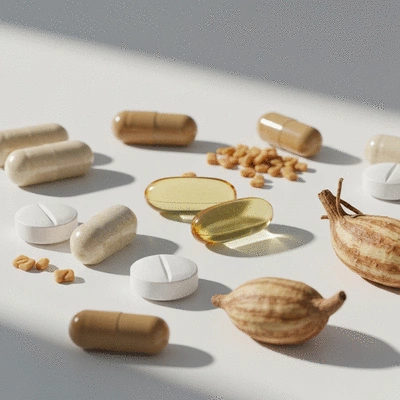
Zinc
Vital for testosterone production. Deficiency can lower levels. RDA: 11 mg.
- Deficiency: Fatigue, low libido
- Risk: Toxicity with excess intake
When was the last time you considered the impact of testosterone on your health? This hormone is not just about muscle mass; it plays a crucial role in your overall vitality. Understanding testosterone can empower you to make informed health decisions.
Delve into the core components often found in testosterone-supporting supplements, examining their roles, effectiveness, and risks.
Vital for testosterone production. Deficiency can lower levels. RDA: 11 mg.
Linked to increased testosterone levels. Often supplemented due to limited sun exposure.
Essential for biochemical reactions, including testosterone production, especially with exercise.
Traditional remedies for libido and stress management, with some evidence for testosterone support.
An amino acid with mixed research results; some studies show short-term boosts in low-T men.
Marketed as a testosterone booster, but primarily shows efficacy in libido enhancement rather than direct T increase.
Essential fats supporting overall hormone production and health, including testosterone balance.
Crucial for maintaining hormonal balance, neurotransmitter synthesis, and cell division.
Testosterone plays a pivotal role in men's health, influencing everything from muscle mass to mood. As an endocrinologist, I've seen firsthand how essential this hormone is for overall vitality. Understanding testosterone and its functions can empower men to take informed steps toward maintaining their health.
In essence, testosterone is the primary male sex hormone that affects physical and emotional well-being. Its significance cannot be overstated; it helps regulate muscle and bone mass, fat distribution, and even red blood cell production. Think of testosterone as the fuel that keeps the engine of your body running smoothly!
Testosterone's impact on the body is broad and multifaceted. It is crucial for the development of male physical characteristics and is involved in various bodily functions, including:
Each of these roles highlights why maintaining healthy testosterone levels is essential for both physical and mental health. When testosterone levels are balanced, men often experience better energy levels and improved mood.
Low testosterone, or hypogonadism, can manifest in various ways, impacting daily life significantly. Some common symptoms to look for include:
If you notice these symptoms, it might be time to consult with a healthcare professional about your hormone levels. Remember, awareness is the first step toward reclaiming your health!
Aging is a natural part of life, and it significantly influences testosterone levels. As men age, testosterone production typically declines, often starting in their late 30s and continuing gradually thereafter. This decline can lead to changes in body composition, energy levels, and overall health. For further insights into how various factors, including nutrition, impact overall health, you can refer to resources from the CDC's nutrition guidelines.
It's not uncommon for men in their 40s and beyond to experience symptoms related to low testosterone. Understanding this process can assist in making lifestyle adjustments or seeking medical advice when necessary. If you’re feeling off, don’t hesitate to explore the possibility that your testosterone levels may be to blame!
As we explore the importance of testosterone in men's health, we want to hear from you! Have you ever considered how your testosterone levels might be affecting your well-being? Share your thoughts below:
When it comes to supporting testosterone levels, many individuals turn to supplements and vitamins. But do they really work? In this section, we'll dive into the science behind these products to help you make informed decisions. Understanding the effectiveness of various ingredients is crucial for anyone considering them for testosterone support.
As an endocrinologist, I often see patients looking for ways to boost their hormone levels. While some supplements can indeed offer benefits, it’s important to know which ones are backed by science and which may just be marketing hype. Let's take a closer look at some key ingredients that are frequently promoted for their testosterone-enhancing properties.
Understanding the specific ingredients in testosterone supplements can help you choose wisely. Here are some of the most common components:
Each of these ingredients plays a distinct role in supporting hormonal health. For instance, zinc is crucial for testosterone production, while vitamin D has been linked to improved hormonal balance. As we explore each ingredient, we'll look at the research backing their effectiveness and any potential risks involved.
Zinc is a vital mineral that supports numerous bodily functions, including testosterone production. Studies have shown that zinc deficiency can lead to lower testosterone levels, which makes supplementation a potential option for those lacking this important nutrient. However, it’s essential to be cautious as excessive zinc intake can lead to toxicity.
Finding a balance is critical—consider discussing zinc supplementation with your healthcare provider to determine what's right for you!
Vitamin D is often dubbed the "sunshine vitamin" due to the body's ability to produce it when exposed to sunlight. Recent studies suggest that higher vitamin D levels correlate with increased testosterone levels. While getting sun exposure is ideal, many people find it challenging. That’s where supplementation can help.
As always, it’s best to have your vitamin D levels checked before starting a supplement regimen. Knowledge is power!
Magnesium deficiency is common but often overlooked. This mineral is essential for various biochemical reactions in the body, including testosterone production. Research indicates that adequate magnesium levels may support healthy testosterone levels, especially when paired with exercise.
Incorporating magnesium-rich foods into your diet can be an excellent first step toward improving your hormonal health.
Fenugreek and ashwagandha are well-known in traditional medicine for their potential testosterone-boosting properties. Fenugreek, in particular, has been studied for its ability to enhance libido and testosterone levels in some male subjects. Ashwagandha, on the other hand, is renowned for its adaptogenic properties, helping the body manage stress and improve overall vitality. For more detailed clinical evidence on the effects of Ashwagandha, you can explore studies such as those published in NCBI.
While these remedies show promise, they should be approached with care and ideally discussed with a healthcare professional.
D-Aspartic acid (DAA) is an amino acid that has garnered attention for its potential role in boosting testosterone levels. Research findings are mixed, with some studies suggesting it may help increase testosterone in men with low levels, while others show minimal effects.
As with any supplement, it’s important to weigh the benefits against potential downsides.
Tribulus Terrestris is commonly marketed as a testosterone booster. However, studies often show that its effectiveness is limited, primarily aiding in libido enhancement rather than significantly increasing testosterone levels.
If you're considering this herb, it’s wise to consult with a healthcare professional for personalized advice!
Omega-3 fatty acids are essential fats that play a role in overall hormone production and health. Research suggests that these fatty acids may help maintain hormonal balance, including testosterone levels.
Incorporating omega-3s into your diet can have far-reaching benefits, not just for testosterone but for overall health.
Finally, vitamins B6 and folate are crucial for maintaining hormonal balance. Vitamin B6 is involved in the synthesis of neurotransmitters, while folate helps with DNA synthesis and cell division, both crucial for overall health.
Ensuring adequate intake of these vitamins can support not only testosterone health but also your overall well-being.
Here is a quick recap of the important points discussed in the article:
Dr. Maxwell Bennett is a dedicated endocrinologist with extensive experience in hormone health and endocrine disorders. With a passion for patient education and a commitment to advancing the understanding of hypogonadism, Dr. Bennett provides evidence-based insights and practical guidance to help individuals achieve optimal health and vitality. His expertise encompasses testosterone deficiency, hormone replacement therapy, and lifestyle management strategies that promote hormone balance.