Hormones and Chronic Illness Explained

Chronic Illness and Hypogonadism: How HIV, Liver Disease, and Kidney Failure Impact Hormones

Have you ever felt a sudden drop in your energy or mood that left you wondering about its cause? The connection between chronic illnesses and hormonal health can be complex, yet understanding it is crucial for reclaiming your vitality. Let's uncover what hypogonadism means and how it might be affecting your life.

What You Will Learn

  • Hypogonadism is characterized by insufficient testosterone production, leading to symptoms like fatigue, low libido, and mood changes.
  • Chronic illnesses such as diabetes and HIV can disrupt hormonal balance, highlighting the need for integrated management strategies.
  • Implementing preventive strategies, including regular check-ups and symptom tracking, is vital for managing hypogonadism effectively.
  • Nutritional and lifestyle choices, like maintaining a balanced diet and regular exercise, play a significant role in supporting hormonal health.
  • Addressing the psychosocial impacts, such as potential emotional distress and relationship strains, is essential for comprehensive care.

Chronic Illness and Hypogonadism: Key Connections

This visual highlights the critical relationships between chronic illnesses, hormonal disruption, and hypogonadism, along with essential management and preventive strategies.

Chronic Illnesses Affecting Hormones

  • HIV/AIDS
  • Liver Disease
  • Kidney Failure
  • Diabetes

Key Symptoms of Male Hypogonadism

  • Fatigue/Low Energy
  • Reduced Libido
  • Difficulty Concentrating
  • Body Changes (Fat/Muscle)

Preventive & Management Strategies

  • Regular Check-Ups
  • Patient Education
  • Symptom Tracking
  • Support Networks

Lifestyle & Nutritional Support

  • Balanced Diet
  • Regular Exercise
  • Adequate Sleep
  • Stress Management

Understanding Hypogonadism in the Context of Chronic Illness

When it comes to understanding hypogonadism, particularly in men, it’s important to recognize how chronic illnesses can play a significant role. Hypogonadism refers to the body's inability to produce sufficient testosterone, which is a critical hormone for various bodily functions. Symptoms can range from fatigue and low libido to mood changes and even physical weakness. Have you ever noticed changes in your energy or mood that seem to coincide with a chronic condition? If so, you’re not alone!

Defining male hypogonadism involves looking closely at its symptoms. Typical signs include:

  • Fatigue and low energy
  • Reduced libido
  • Difficulty concentrating
  • Body changes, such as increased fat and decreased muscle mass

Recognizing these symptoms is the first step toward understanding how they relate to your health. At Hypogonadal Health, we’re committed to helping you decode these complex issues so you can take charge of your health journey.

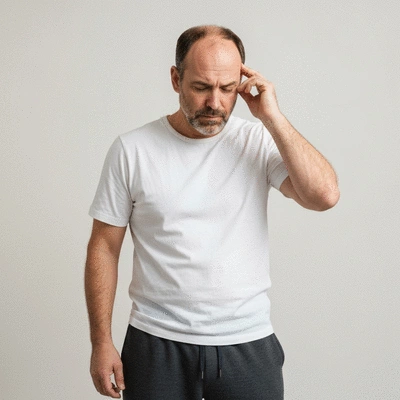
Man experiencing symptoms of hypogonadism like fatigue and low energy

Defining Male Hypogonadism and Its Symptoms

Male hypogonadism is often underdiagnosed due to its symptoms being mistaken for other health issues. Low testosterone levels can stem from various causes such as aging, genetic factors, or chronic illnesses. When testosterone levels drop, it can feel like your vitality is slipping away. It’s crucial to connect these symptoms to potential underlying conditions to seek appropriate treatment. The Endocrine Society provides further insights into hormonal health, underscoring the importance of accurate diagnosis and management.

In addition to the physical symptoms, men may experience emotional challenges. This can include feelings of anxiety or depression, which further complicate the experience of living with hypogonadism.

Exploring the Connection Between Chronic Diseases and Hormonal Disruption

Chronic diseases can disrupt the delicate balance of hormones. For instance, conditions like diabetes or HIV can significantly impact testosterone levels. Understanding this connection opens up a pathway to better management of both the chronic condition and hormonal health. The Journal of the American Medical Association (JAMA) has published research on the broader implications of hormonal imbalances, including those related to chronic diseases. Here are some chronic illnesses that commonly affect hormone levels:

  • HIV/AIDS
  • Liver disease
  • Kidney failure
  • Diabetes

Each of these conditions interacts with the body's hormonal systems, creating a ripple effect that can lead to hypogonadism. By recognizing these interactions, patients can be more proactive in discussing their symptoms and treatment options with their healthcare providers.

Chronic Conditions: Their Impact on Hormones and Hypogonadism

Chronic conditions can create a complex web of hormonal imbalances. When a patient is dealing with both a chronic illness and hypogonadism, it's essential to approach the situation holistically. I always encourage my patients to consider their overall health picture and discuss how various conditions may be interconnected. For a comprehensive overview of hypogonadism, the National Library of Medicine offers detailed information on its pathophysiology and clinical management.

In the context of chronic illness, managing hormonal health becomes not just about treating symptoms but also understanding how these conditions affect overall vitality. Let's delve deeper into specific chronic conditions and their implications for testosterone levels.

We Want to Hear From You!

Have you experienced any symptoms of hypogonadism linked to chronic illness? Share your thoughts and experiences with us:

Managing Hypogonadism: Best Practices and Patient Perspectives

At Hypogonadal Health, we believe that understanding how to manage hypogonadism is crucial for improving the quality of life for those affected. This process involves not just medical interventions but also lifestyle adjustments that can significantly impact hormonal health. Let’s explore some effective strategies for managing hypogonadism, particularly for individuals facing chronic illness.

Preventive Strategies for Hormonal Health in Chronic Illness

Preventive strategies play a vital role in maintaining hormonal balance, especially for those with chronic conditions. Here are some key approaches to consider:

  • Regular Check-Ups: Frequent visits to healthcare providers to monitor hormone levels can catch issues early.
  • Patient Education: Understanding hypogonadism empowers patients to advocate for their health effectively.
  • Symptom Tracking: Keeping a journal of symptoms can help identify patterns and triggers related to hormone imbalances.
  • Support Networks: Engaging with support groups can provide emotional and practical support.

Implementing these preventive strategies can create a stronger foundation for managing hypogonadism and enhancing overall well-being. Each point contributes to a proactive approach, helping patients feel more in control of their health.

Diverse group of people engaging in healthy lifestyle activities, representing preventive strategies for hormonal health

Nutritional and Lifestyle Changes to Support Hormonal Balance

Nutrition and lifestyle choices play a crucial role in managing hormone levels. Here are some effective changes that can support hormonal balance:

  • Balanced Diet: Incorporating a variety of fruits, vegetables, whole grains, and healthy fats can nourish the body and support hormone production.
  • Regular Exercise: Engaging in physical activity boosts energy levels and helps regulate hormone levels.
  • Adequate Sleep: Prioritizing sleep ensures the body has time to repair and maintain hormonal health.
  • Stress Management: Practices like mindfulness, yoga, or deep breathing can help reduce cortisol levels, which may otherwise interfere with hormone balance.

Making these adjustments not only contributes to better hormone health but also promotes an overall sense of well-being. Picture your health as a puzzle; each piece—diet, exercise, sleep, and stress management—plays a part in completing the picture.

Patient Stories: Real-Life Experiences of Managing Hypogonadism

Hearing from others who have navigated the complexities of hypogonadism can be incredibly enlightening. Here are a few examples of patients who have successfully managed their condition:

  • John: After struggling with fatigue, John learned about his hormonal health and made dietary changes that revitalized his energy levels.
  • Mike: Mike found that regular exercise not only improved his mood but also had a positive impact on his testosterone levels.
  • Jim: By joining a support group, Jim felt less isolated and gained valuable insights to manage his symptoms better.

These stories highlight the diverse experiences of individuals living with hypogonadism, reinforcing the idea that tailored strategies can lead to improved health outcomes.

Understanding the Psychosocial Impact of Hypogonadism

The impact of hypogonadism extends beyond physical symptoms—it can significantly affect mental health and social interactions. Recognizing this is essential for comprehensive care. Here are some common psychosocial effects:

  • Emotional Distress: Depression and anxiety can arise from hormonal imbalances and should not be overlooked.
  • Social Withdrawal: Men may feel less inclined to engage socially due to diminished energy or self-esteem issues.
  • Relationship Strain: Hypogonadism can create challenges in intimate relationships, highlighting the need for open communication.

Addressing these psychosocial factors is just as crucial as treating the physical aspects of hypogonadism. Seeking therapy or counseling can provide valuable tools for coping with these challenges.

Frequently Asked Questions About Hypogonadism and Chronic Illness

What is hypogonadism?
Hypogonadism is a condition where the body doesn't produce enough testosterone, a hormone crucial for various bodily functions. Symptoms can include fatigue, low libido, mood changes, and physical weakness.
How do chronic illnesses affect hormonal balance?
Chronic illnesses such as HIV/AIDS, liver disease, kidney failure, and diabetes can disrupt the body's hormonal systems, leading to imbalances that can cause or exacerbate hypogonadism.
What are the typical symptoms of male hypogonadism?
Key symptoms often include fatigue, reduced libido, difficulty concentrating, and changes in body composition like increased fat and decreased muscle mass.
What strategies can help manage hypogonadism?
Management involves both medical interventions and lifestyle adjustments. Preventive strategies include regular check-ups, patient education, symptom tracking, and engaging with support networks. Lifestyle changes like a balanced diet, regular exercise, adequate sleep, and stress management are also crucial.
Does hypogonadism have psychosocial impacts?
Yes, hypogonadism can lead to emotional distress (depression, anxiety), social withdrawal, and strain on relationships due to diminished energy, self-esteem issues, and changes in intimacy.

Recap of Key Points

Here is a quick recap of the important points discussed in the article:

  • Understanding Hypogonadism: Hypogonadism is the body's inability to produce sufficient testosterone, leading to symptoms like fatigue, low libido, and mood changes.
  • Symptoms to Recognize: Common symptoms include fatigue, reduced libido, difficulty concentrating, and body changes such as increased fat and decreased muscle mass.
  • Connection with Chronic Illnesses: Chronic diseases like diabetes and HIV can disrupt hormonal balance and lead to hypogonadism, necessitating a holistic approach to treatment.
  • Preventive Strategies: Regular check-ups, patient education, symptom tracking, and engaging with support networks are key for managing hormonal health.
  • Nutritional and Lifestyle Changes: A balanced diet, regular exercise, adequate sleep, and stress management are crucial for supporting hormonal balance.
  • Psychosocial Impact: Hypogonadism can lead to emotional distress, social withdrawal, and relationship strain, highlighting the importance of addressing mental health alongside physical symptoms.
About !author

Dr. Maxwell Bennett

Dr. Maxwell Bennett is a dedicated endocrinologist with extensive experience in hormone health and endocrine disorders. With a passion for patient education and a commitment to advancing the understanding of hypogonadism, Dr. Bennett provides evidence-based insights and practical guidance to help individuals achieve optimal health and vitality. His expertise encompasses testosterone deficiency, hormone replacement therapy, and lifestyle management strategies that promote hormone balance.

Popular Posts

Testosterone Therapy in Older Adults Testosterone Replacement Therapy for Older Adults: Safety and Efficacy in 2025 Have you noticed a decline in your energy or motivation as you age? These changes could be linked to
Hormones and Chronic Illness Explained Chronic Illness and Hypogonadism: How HIV, Liver Disease, and Kidney Failure Impact Hormones Have you ever felt a sudden drop in your energy or mood that left you wondering about its cause? The
Sustainable Lifestyle with Hypogonadism Treatment How to Create a Sustainable Lifestyle Plan to Complement Hypogonadism Treatment What if you discovered that your persistent fatigue or mood swings were linked to a hormone imbalanc
Understanding Metabolic Links: Obesity & Diabetes Obesity, Diabetes, and Hypogonadism: The Metabolic Connection What if understanding the connection between obesity, diabetes, and hypogonadism could be the key to