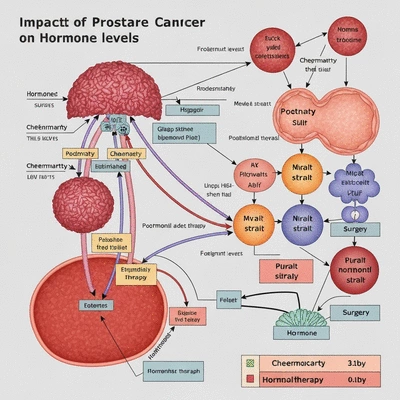
Impact of Prostate Cancer Treatment on Hormone Levels
- Surgical & radiation treatments can alter hormone production.
- Diminished testosterone levels are common.
- Potential for chronic hormone deficiency years after treatment.
After undergoing prostate cancer treatment, many men experience a range of symptoms that may be linked to hormonal imbalances. Understanding these connections is vital for reclaiming one's health and well-being. Let's delve into some key insights that can help you navigate this journey.
Understanding the interplay between hypogonadism and prostate cancer, especially post-treatment, is crucial for men's health. Below, we highlight the core areas of impact and management.
Hypogonadism is a condition that affects many men, especially those who have undergone treatment for prostate cancer. It's essential to understand the connection between these two conditions, as they can significantly impact each other. In simple terms, hypogonadism occurs when the body doesn't produce enough testosterone, a hormone critical for various bodily functions. After prostate cancer treatment, this hormonal imbalance can lead to various symptoms that affect overall well-being.
As I often discuss in my practice at Hypogonadal Health, recognizing hypogonadism is crucial for men post-prostate cancer treatment. The treatments, including prostatectomy and radiotherapy, can diminish testosterone levels, leaving many men feeling fatigued or experiencing changes in sexual function. Understanding how hypogonadism relates to prostate cancer helps patients advocate for their health and explore potential treatment routes.
At its core, hypogonadism refers to the body's inability to produce sufficient testosterone. In the context of prostate cancer, there are a few key points to consider:
Understanding these points allows men to recognize symptoms early and seek appropriate care. Have you or someone you know experienced these challenges after prostate cancer treatment? Navigating these waters can be tricky, and being informed is the first step towards reclaiming your health.
After prostate cancer treatment, many survivors may not connect their symptoms to hormone changes. Here are common signs to watch for:
If you notice any of these symptoms, it's essential to consult your healthcare provider. As I stress in my work, early intervention can lead to better management of hypogonadism and improved quality of life.
Maintaining hormonal balance is a crucial part of survivorship after prostate cancer. A few factors contribute to this:
In my experience, survivors who remain proactive about their hormonal health tend to report better outcomes. It's vital to stay informed and engaged with healthcare professionals to navigate these challenges effectively.
Have you experienced any symptoms of hypogonadism after prostate cancer treatment? We want to hear your story! Share your thoughts and experiences with us below:
Hypogonadism is a condition where the body does not produce enough testosterone, a crucial hormone for various bodily functions.
Surgical and radiation treatments for prostate cancer can significantly alter hormone production, often leading to diminished testosterone levels and potential for chronic hormone deficiency.
Common symptoms include persistent fatigue, low energy, reduced libido and sexual dysfunction, difficulty concentrating, memory issues, increased body fat, and decreased muscle mass.
Maintaining hormonal balance is crucial for emotional health (reducing anxiety and depression), physical well-being (maintaining bone density and strength), and overall quality of life.
Multimodal therapy involves combining various treatment methods, such as Testosterone Replacement Therapy (TRT), with lifestyle changes like diet and exercise. It emphasizes regular monitoring and individualized treatment plans.
You can find support through patient advocacy groups like the Prostate Cancer Foundation, American Cancer Society, and Us TOO International Prostate Cancer Education & Support Network. Open conversations with healthcare providers and utilizing clinical guidelines are also essential.
As we wrap up our discussion on hypogonadism management following prostate cancer, it's crucial to recognize the balance between the risks and benefits of treatment options. Each patient's journey is unique, and the decision to initiate testosterone replacement therapy (TRT) must be made with careful consideration of individual health circumstances. Factors like age, overall health, and specific cancer treatment history play significant roles in determining the appropriate path forward. For a deeper understanding of current recommendations, you can consult recent academic reviews on testosterone replacement therapy in prostate cancer survivors.
At Hypogonadal Health, my goal is to empower you with evidence-based information to help you make informed decisions. Therefore, when considering TRT or other treatments for hypogonadism, ask yourself the following questions:
These questions should guide your conversations with healthcare providers, ensuring you advocate effectively for your health. Remember, knowledge is power! Being an active participant in your healthcare decisions can lead to improved outcomes.
The journey of managing hypogonadism post-prostate cancer typically involves a multimodal approach, combining various treatment methods and supportive measures. Ongoing research is essential in this realm, as it continually offers new insights into safe and effective treatment options. For example, recent studies have explored novel therapeutic approaches and their efficacy. The integration of lifestyle modifications, such as diet and exercise, alongside medical treatments can significantly enhance your overall well-being.
Moreover, understanding the evolving landscape of prostate cancer treatment is vital. Here are some key aspects of multimodal therapy:
As research advances, I encourage you to stay informed about emerging treatments and best practices. Engaging in these discussions with your healthcare team can help you navigate your options with confidence!
In the world of prostate cancer survivorship and hypogonadism management, finding reliable support is essential. Numerous patient advocacy groups offer valuable resources, including educational materials and community support. These organizations can provide insights into navigating treatment options, understanding symptoms, and sharing experiences with others who have faced similar challenges.
Connecting with these groups can provide a sense of community and shared understanding, which is crucial for emotional well-being. Remember, you’re not alone on this journey!
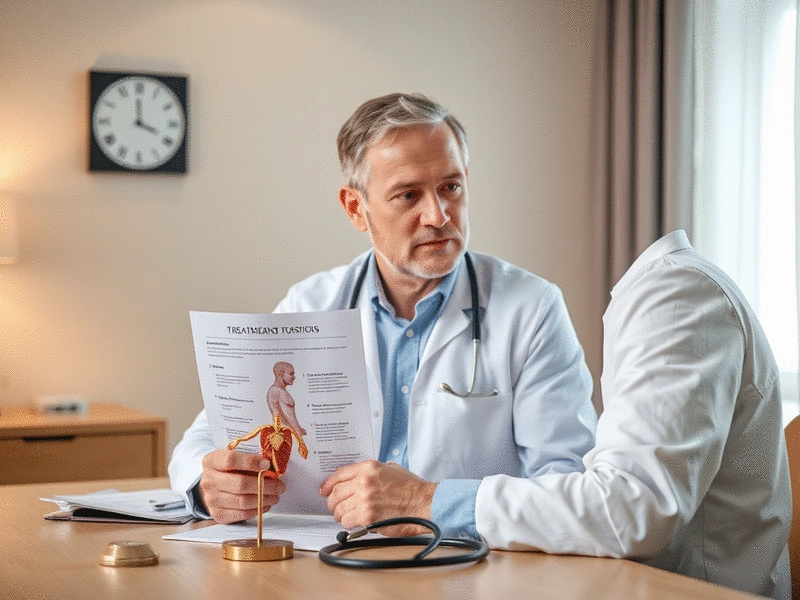
Open communication with your healthcare providers is one of the most important steps you can take in managing hypogonadism. Don’t hesitate to express your concerns and ask questions regarding your treatment options. Here’s how you can facilitate these conversations:
By fostering a collaborative relationship with your healthcare team, you can ensure your treatment aligns with your needs and preferences.
Lastly, utilizing clinical guidelines provided by reputable health organizations can serve as a roadmap for effective management of hypogonadism after prostate cancer treatment. These guidelines are informed by the latest research and provide a framework for best practices. For instance, the Sexual Medicine Society of North America (SMSNA) provides specific guidelines for TRT in prostate cancer patients. Always consult these resources when considering treatment options, and discuss them with your healthcare provider to tailor them to your situation.
At Hypogonadal Health, we remain committed to providing you with up-to-date information and support as you navigate your health journey. Keep advocating for yourself, stay informed, and remember: your health is in your hands!
Here is a quick recap of the important points discussed in the article:
Dr. Maxwell Bennett is a dedicated endocrinologist with extensive experience in hormone health and endocrine disorders. With a passion for patient education and a commitment to advancing the understanding of hypogonadism, Dr. Bennett provides evidence-based insights and practical guidance to help individuals achieve optimal health and vitality. His expertise encompasses testosterone deficiency, hormone replacement therapy, and lifestyle management strategies that promote hormone balance.