Endurance Exercise: Hormonal Responses
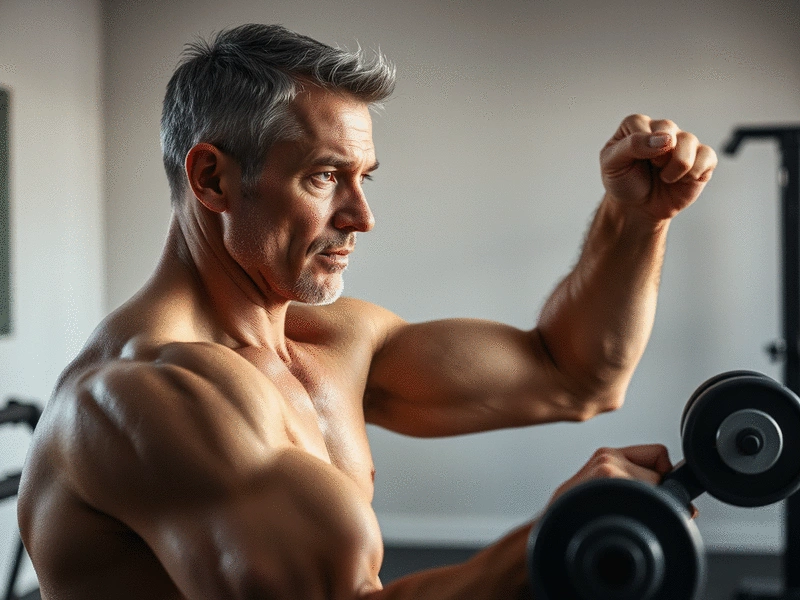
Moderate to intense activities like running or cycling enhance libido and sexual function.
↑ Testosterone
↑ Libido
Did you know that physical activity can play a pivotal role in enhancing sexual health, especially for men suffering from hypogonadism? By understanding this connection, individuals can take proactive steps towards improving their well-being.
The visual below illustrates how various types of physical activity influence key aspects of sexual health, particularly for men with hypogonadism.
Moderate to intense activities like running or cycling enhance libido and sexual function.
Both build muscle and boost metabolism, leading to increased testosterone.
Walking or yoga improve psychological health and overall quality of life.
Regular exercise is crucial for hormonal balance and enhanced sexual function.
Understanding the intricate relationship between hypogonadism and sexual health is crucial for many men today. Hypogonadism refers to the body's reduced ability to produce testosterone, impacting not just physical vitality but also sexual function and libido. It's more prevalent than many realize, affecting an estimated 4 to 5 million men in the United States alone! When testosterone levels drop, it can result in fatigue, reduced sexual desire, and relationship challenges.
So, what does this mean for men facing these issues? Awareness is the first step. Many are unaware that their symptoms might be linked to hormone levels, which underscores the importance of education. At Hypogonadal Health, we aim to shed light on these connections and empower individuals to take charge of their health.
Hypogonadism can stem from various causes, including genetic factors, medical conditions, or lifestyle choices. When testosterone levels are insufficient, men may experience a range of symptoms that directly affect their sexual health, such as:
Addressing these issues is vital not only for personal health but also for maintaining relationships. Remember, recognizing these symptoms is the first step toward reclaiming vitality!
Engaging in physical activity can significantly influence sexual health, particularly for those with hypogonadism. Exercise serves as a natural catalyst for hormonal regulation, stimulating the production of testosterone while also improving vascular health. This dual action enhances sexual function and overall well-being. Research, such as this study on testosterone and erectile function, shows that regular physical activity can lead to improved blood flow and hormone levels, which are essential for a healthy sex life. Imagine your body as a well-tuned engine—exercise helps keep all parts running smoothly, including those that are crucial for sexual health!
Maintaining hormonal balance through consistent physical activity is key for enhancing libido and overall sexual functioning. Regular exercise can help elevate testosterone levels, which plays a critical role in regulating libido and sexual performance. Here are some benefits you can expect:
By incorporating regular exercise into your routine, you can actively work towards restoring hormonal balance and invigorating your sexual health. It's not just about exercise; it's about creating a lifestyle that supports your health goals!
Endurance training, such as running or cycling, has shown promising effects on testosterone levels. Engaging in moderate to intense endurance activities can stimulate hormonal responses that positively impact sexual health. Research indicates that men who participate in these activities often report enhanced libido and better sexual function. For instance, studies on the impact of physical activity on male sexual health highlight how endurance training can improve testosterone and overall sexual function.
Consider setting a goal that includes endurance training as part of your routine—it might just lead to improvements in your sexual health that you didn’t anticipate!
Resistance training and high-intensity interval training (HIIT) have unique benefits for hypogonadal men. Both types of exercise can lead to increased testosterone levels and improved libido. Here’s how they differ:
Incorporating both types of workouts can yield a balanced approach, enhancing your physical fitness and sexual health!
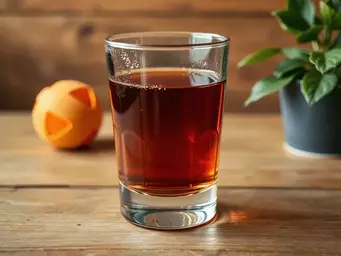
Moderate physical activity, like walking or yoga, is often overlooked but plays an essential role in improving sexual health. Its benefits extend beyond just physical fitness; it can also improve psychological health and quality of life. Here are several key points:
Incorporating moderate exercise into your daily routine can pave the way for both physical and mental well-being, which is vital for a fulfilling sexual experience!
What type of physical activity do you think would have the most significant impact on your sexual health? Is it endurance training, resistance workouts, or perhaps moderate activities like walking or yoga? Share your thoughts with us below:
Understanding the connection between physical activity and sexual health is crucial for hypogonadal men. Regular exercise can lead to improved libido and overall sexual function. Not only does it play a vital role in hormonal balance, but it also enhances psychological well-being. By engaging in physical activity, men can boost their testosterone levels, improve vascular health, and enrich their sexual experiences.
In summary, the physiological benefits of exercise include:
These factors combined highlight that a more active lifestyle can lead to significant improvements in sexual health and vitality. As an endocrinologist, I have seen first-hand how addressing hormonal imbalances through lifestyle changes can transform lives.
It's time to embrace physical activity as a powerful tool for improving sexual health! I encourage hypogonadal men to incorporate regular exercise into their routines. Whether it’s through endurance activities like running, strength training, or even enjoying a brisk walk, every step counts. The key is to find activities you enjoy, making it easier to stick with them over time.
Remember, staying active not only boosts testosterone levels but also enhances your overall well-being. This holistic approach will help you reclaim your vitality and improve your sexual function.
If you're seeking more information on how to enhance your sexual health through physical activity, there are many resources available! It’s essential to consult with a healthcare professional specializing in hormone health, like those at Hypogonadal Health, to create a tailored plan suited to your individual needs.
By taking proactive steps and utilizing available resources, you can empower yourself to achieve better sexual health. Don't hesitate to reach out for support—after all, knowledge is a powerful ally on your journey toward improved vitality and well-being!
Here is a quick recap of the important points discussed in the article:
Dr. Maxwell Bennett is a dedicated endocrinologist with extensive experience in hormone health and endocrine disorders. With a passion for patient education and a commitment to advancing the understanding of hypogonadism, Dr. Bennett provides evidence-based insights and practical guidance to help individuals achieve optimal health and vitality. His expertise encompasses testosterone deficiency, hormone replacement therapy, and lifestyle management strategies that promote hormone balance.