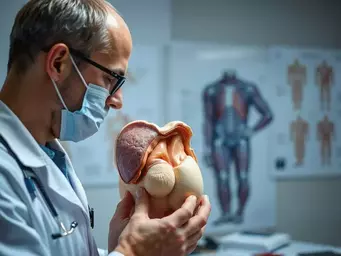
Testosterone Therapy in Older Adults

Testosterone Replacement Therapy for Older Adults: Safety and Efficacy in 2025

Have you noticed a decline in your energy or motivation as you age? These changes could be linked to testosterone levels, a critical yet often overlooked factor in men's health. Understanding Testosterone Replacement Therapy (TRT) could be your first step toward reclaiming your vitality and well-being.

What You Will Learn

  • Testosterone Replacement Therapy (TRT) is essential for men with hypogonadism, significantly improving symptoms like fatigue and low libido.
  • Recognizing signs of low testosterone in men over 50, such as reduced muscle mass and mood changes, can lead to timely interventions.
  • Understanding the role of androgens in aging is vital for maintaining muscle strength, cognitive function, and overall health.
  • Before starting TRT, it's crucial to evaluate potential benefits and risks, including effects on mood and prostate health.
  • Adopting lifestyle changes like regular exercise and balanced nutrition can enhance the effectiveness of TRT.
  • Engaging with healthcare providers about symptoms and treatment options is essential for personalized care and informed decision-making.

Key Considerations for Older Adults Regarding TRT

Understanding Testosterone Replacement Therapy involves balancing its potential benefits and risks, as well as incorporating lifestyle changes.

Benefits vs. Risks

  • Improved libido & mood
  • Increased muscle strength
  • Potential for elevated red blood cell counts
Informed Decision

Lifestyle Integration

  • Regular exercise (aerobic & strength)
  • Balanced nutrition (whole foods, healthy fats)
  • Stress management (meditation, yoga)
Enhanced Outcomes

Consulting Healthcare Providers

  • Discuss symptoms & concerns
  • Review medical history
  • Explore alternative treatments
Personalized Plan

Future Developments

  • Follow medical journals
  • Attend health seminars
  • Engage with online communities
Stay Informed

Understanding Testosterone Replacement Therapy for Older Adults

As we age, our bodies undergo numerous changes, and hormone levels often fluctuate significantly. One common solution for managing these changes is Testosterone Replacement Therapy (TRT). But what exactly is TRT, and who can benefit from it? In this section, I’ll break down the fundamentals of TRT, particularly for older adults, and explain its significance.

Older man discussing health with a doctor in a clean, modern clinic setting

TRT involves replacing testosterone in men whose bodies aren’t producing enough of this vital hormone. Many older adults may experience symptoms related to low testosterone, such as fatigue, decreased libido, and mood swings. By understanding the need for TRT, we can empower individuals to make informed choices regarding their hormone health.

What is Testosterone Replacement Therapy and Who Needs It?

Testosterone Replacement Therapy is a treatment designed to raise testosterone levels in men suffering from hypogonadism, a condition where the body doesn’t produce enough testosterone. This therapy can come in various forms, including injections, patches, and gels. According to clinical practice guidelines from the Endocrine Society, it's not just for those who want to boost their energy; it’s essential for restoring balance in their lives.

  • Men experiencing significant fatigue
  • Individuals with low libido or sexual dysfunction
  • Those facing mood changes or depression related to low testosterone

If you recognize yourself in any of these symptoms, it might be a good idea to discuss TRT with your healthcare provider. Remember, making informed decisions is key to maintaining optimal health!

Recognizing Hypogonadism in Men Aged 50 and Above

Hypogonadism can manifest subtly, making it crucial for men over 50 to be vigilant about their health. Common signs include reduced muscle mass, increased body fat, and challenges with memory or concentration. The more we can recognize these symptoms, the better equipped we will be to seek appropriate treatment. A study published in Annals of Internal Medicine highlights key considerations for testosterone therapy in older men with age-related low testosterone.

  • Fatigue and low energy levels
  • Decreased motivation or enthusiasm for favorite activities
  • Changes in sleep patterns

Understanding these indicators is a significant step toward addressing potential testosterone deficiencies. If you’re experiencing similar symptoms, it’s worth discussing them with a specialist like me at Hypogonadal Health. Your health matters, and there’s no need to navigate this alone!

The Role of Androgens in Aging and Men's Health

Androgens, including testosterone, play a vital role in various aspects of men’s health as they age. They affect everything from muscle mass and bone density to mood and cognitive function. As levels decline, it’s essential to understand how these changes impact overall health and well-being. Research, such as that detailed in the European Journal of Endocrinology, consistently underscores the broad impact of androgens on aging men.

  • Influence on muscle strength and endurance
  • Contribution to mental health and cognitive function
  • Impact on bone density, potentially reducing fracture risk

By understanding the role of androgens, especially testosterone, we can better grasp the significance of maintaining hormonal balance throughout the aging process. It’s about not only feeling good but also enhancing quality of life!

We Want to Hear From You!

Have you or someone you know considered Testosterone Replacement Therapy? What factors influenced your decision? Share your thoughts below:

Frequently Asked Questions About TRT for Older Adults

Q1: What is Testosterone Replacement Therapy (TRT)?
A1: TRT is a treatment designed to raise testosterone levels in men who have hypogonadism, a condition where the body doesn't produce enough testosterone. It aims to alleviate symptoms like fatigue, low libido, and mood swings.
Q2: Who typically needs TRT?
A2: Men experiencing symptoms of low testosterone, such as significant fatigue, low libido or sexual dysfunction, and mood changes related to low testosterone levels, may benefit from TRT.
Q3: How do I know if I have hypogonadism?
A3: Common signs of hypogonadism in men over 50 include reduced muscle mass, increased body fat, challenges with memory or concentration, fatigue, low energy levels, decreased motivation, and changes in sleep patterns. A healthcare provider can confirm the diagnosis through blood tests.
Q4: What are the main benefits of TRT for older adults?
A4: Potential benefits include improved libido, enhanced mood, increased muscle strength, better bone density, and improved overall vitality. Recent studies also suggest no increased risk for cardiovascular issues with TRT.
Q5: What are the potential risks of TRT?
A5: Potential risks can include elevated red blood cell counts (erythrocytosis), sleep apnea, and prostate health concerns. It's crucial to discuss these with a healthcare provider to assess individual risks.
Q6: What lifestyle changes can enhance TRT outcomes?
A6: Incorporating regular exercise (aerobic and strength training), maintaining a balanced diet rich in whole foods and healthy fats, and practicing stress management techniques like meditation or yoga can significantly enhance the effectiveness of TRT.

Summary of Key Insights on TRT Safety and Efficacy

As we delve deeper into Testosterone Replacement Therapy (TRT) for older adults, it's crucial to understand both the safety and efficacy of this treatment. Recent studies, like those from the TRAVERSE trial, highlight that TRT does not pose an increased risk for cardiovascular issues, which is often a concern among older patients. Recognizing the balance between potential benefits and risks can empower individuals to make informed decisions about their health.

It's important to consider how TRT can significantly improve aspects of life such as energy levels, sexual function, and overall vitality. However, understanding the risks, such as side effects and potential health concerns, is equally essential. By weighing these factors, older adults can better navigate their options in the pursuit of optimal health.

Balancing Benefits Against Risks: Making Informed Decisions

When considering TRT, older adults should take a comprehensive approach to assessing the benefits versus risks. Here are some key factors to ponder:

  • Potential Benefits: Improved libido, enhanced mood, and increased muscle strength.
  • Potential Risks: Elevated red blood cell counts (erythrocytosis), sleep apnea, and prostate health concerns.
  • Individual Health Status: Existing health conditions, age, and overall wellness should all factor into the decision-making process.

At Hypogonadal Health, I encourage individuals to engage in open discussions with healthcare providers. It’s essential to review medical history and current health status before starting TRT. This personalized approach can lead to better outcomes and promote safe treatment practices.

Taking the Next Steps: Individual Considerations for TRT

Deciding to pursue TRT is a significant step, and there are several important considerations to keep in mind. Before embarking on this treatment journey, I recommend taking the following steps:

Consulting Healthcare Providers: What to Discuss Before Starting TRT

Before initiating TRT, it’s vital to have a comprehensive conversation with your healthcare provider. Here are some topics you should cover:

  • Current symptoms and concerns related to testosterone deficiency.
  • Personal and family medical history.
  • Potential benefits and risks associated with TRT.
  • Alternative treatment options and lifestyle changes.
Older man actively participating in a physical therapy session, focusing on strength training

These discussions help ensure that your treatment plan aligns with your health goals and needs.

Keeping Abreast of Future Developments in TRT and Aging

The field of hormone health is ever-evolving, and staying informed about new research and guidelines can enhance your understanding of TRT. Here are some ways to stay updated:

  • Follow reputable medical journals and publications on hormone therapy.
  • Attend health seminars or webinars focusing on aging and hormone health.
  • Engage with online communities or forums to share experiences and learn from others.

By maintaining an active interest in developments, you can make informed choices about your health.

Incorporating Lifestyle Changes for Enhanced TRT Outcomes

In addition to considering TRT, adopting healthy lifestyle changes can significantly enhance the treatment's effectiveness. Here are some strategies to consider:

  • Regular Exercise: Engaging in both aerobic and strength-training activities.
  • Balanced Nutrition: Consuming a diet rich in whole foods, healthy fats, and protein.
  • Stress Management: Practicing relaxation techniques such as meditation or yoga.

Implementing these lifestyle changes not only supports TRT but also fosters overall well-being. Remember, every small step you take contributes to your journey toward better health!

Recap of Key Points

Here is a quick recap of the important points discussed in the article:

  • Testosterone Replacement Therapy (TRT) is essential for older men experiencing low testosterone levels due to hypogonadism.
  • Recognizing symptoms such as fatigue, low libido, and mood changes is vital for seeking appropriate treatment.
  • Understanding the role of androgens in aging can help maintain overall health and well-being.
  • Weighing the benefits against the risks of TRT is crucial for informed decision-making.
  • Consulting healthcare providers about symptoms, medical history, and treatment options is essential before starting TRT.
  • Incorporating lifestyle changes, such as regular exercise and balanced nutrition, can enhance the effectiveness of TRT.
About !author

Dr. Maxwell Bennett

Dr. Maxwell Bennett is a dedicated endocrinologist with extensive experience in hormone health and endocrine disorders. With a passion for patient education and a commitment to advancing the understanding of hypogonadism, Dr. Bennett provides evidence-based insights and practical guidance to help individuals achieve optimal health and vitality. His expertise encompasses testosterone deficiency, hormone replacement therapy, and lifestyle management strategies that promote hormone balance.


Popular Posts

Testosterone Therapy in Older Adults Testosterone Replacement Therapy for Older Adults: Safety and Efficacy in 2025 Have you noticed a decline in your energy or motivation as you age? These changes could be linked to
Hormones and Chronic Illness Explained Chronic Illness and Hypogonadism: How HIV, Liver Disease, and Kidney Failure Impact Hormones Have you ever felt a sudden drop in your energy or mood that left you wondering about its cause? The
Sustainable Lifestyle with Hypogonadism Treatment How to Create a Sustainable Lifestyle Plan to Complement Hypogonadism Treatment What if you discovered that your persistent fatigue or mood swings were linked to a hormone imbalanc
Understanding Metabolic Links: Obesity & Diabetes Obesity, Diabetes, and Hypogonadism: The Metabolic Connection What if understanding the connection between obesity, diabetes, and hypogonadism could be the key to