Defining Hypogonadism: Primary vs. Secondary
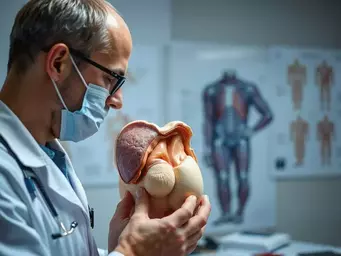
Primary hypogonadism originates in the testicles, directly affecting testosterone production. Secondary hypogonadism is related to the pituitary gland's inability to signal the testicles.
What if you discovered that your persistent fatigue or mood swings were linked to a hormone imbalance? Understanding hypogonadism may hold the key. This condition, characterized by insufficient testosterone production, can significantly affect your daily life and choices. Let’s explore the vital insights you can gain from this knowledge.
Hypogonadism is a condition where the body doesn't produce enough testosterone, affecting energy, mood, and vitality. Understanding its symptoms, impact, and a sustainable lifestyle plan is crucial for managing this condition effectively.
Primary hypogonadism originates in the testicles, directly affecting testosterone production. Secondary hypogonadism is related to the pituitary gland's inability to signal the testicles.
When we talk about hypogonadism, we are referring to a condition where the body doesn't produce enough testosterone. This essential hormone is crucial for many bodily functions, including energy levels, mood, and overall vitality. Have you ever wondered if fatigue or mood swings could stem from a hormone imbalance? Understanding hypogonadism might help you pinpoint some of those nagging issues.
In practical terms, hypogonadism can manifest through various symptoms such as decreased libido, weight gain, and even memory problems. If you’re experiencing these signs, it’s vital to recognize that they might be linked to hormonal imbalances. Just like a well-oiled machine, our bodies operate best when our hormones are balanced. Let’s dive deeper into what hypogonadism means and its impact on daily life.
To put it simply, hypogonadism is categorized into two types: primary and secondary. Primary hypogonadism originates in the testicles, affecting testosterone production directly, while secondary hypogonadism is related to the pituitary gland's inability to signal the testicles. Understanding this distinction is crucial for tailoring appropriate treatment options.
These symptoms can significantly affect your quality of life. It’s important to take them seriously—like pieces in a puzzle that, when put together, reveal a bigger picture of your health. By recognizing these signs, you can begin exploring treatment options that might help restore balance.
The impact of hypogonadism stretches far beyond physical symptoms. Many individuals find that their social life, career, and relationships suffer as well. Imagine feeling less motivated at work or withdrawing from social events due to low energy levels. This ripple effect can lead to emotional distress and decreased self-esteem.
At Hypogonadal Health, we understand that addressing hypogonadism is not just about treating symptoms—it's about fostering a holistic approach to well-being. By educating yourself about this condition, you can take proactive steps toward improving your lifestyle and reclaiming your vitality.
As you consider the lifestyle changes necessary for managing hypogonadism, we want to know: What aspect of your lifestyle do you feel needs the most improvement?
Achieving a sustainable lifestyle while managing hypogonadism is a journey that requires commitment and informed choices. It’s not just about treatment; it's about enhancing your overall well-being through lifestyle modifications. Together, we can identify key aspects that will contribute to your health and vitality.
Here are some key takeaways from your sustainable lifestyle plan:
By understanding and implementing these strategies, you'll be well on your way to feeling better and living a fulfilling life. Remember, it’s about making gradual changes that align with your goals.
Now that you have a clear understanding of how to approach your lifestyle changes, it’s time to take action! Start by selecting one or two changes that resonate with you. This could be as simple as modifying your diet or committing to a new exercise routine. Every little step counts!
Taking the first step is often the hardest, but with dedication and the right support, you can successfully implement these changes into your daily life. How exciting is it to think about the positive impact this journey will have on your health?
One of the best ways to stay informed on your journey is by leveraging online tools and quizzes. These resources can provide personalized insights based on your unique situation. For instance, you can find quizzes that assess symptoms or lifestyle habits related to hypogonadism.
These online platforms often offer:
By utilizing these tools, you can make informed decisions that cater to your specific needs and circumstances. Remember, knowledge is power when it comes to managing your health!
Managing hypogonadism isn't just about physical health; it also involves your mental and emotional well-being. Connecting with support groups can provide you with a sense of community and understanding. Sharing experiences with others who face similar challenges can be incredibly uplifting.
Here’s how you can benefit from joining a support group:
Being part of a supportive community can help you stay committed to your lifestyle changes, making the journey less daunting. Have you thought about finding a local or online support group? It could be a game-changer!
Lastly, don't forget to explore community resources available for chronic disease management. Many organizations offer workshops, educational materials, and even health coaching that can enhance your understanding of hypogonadism and hormone health.
Engaging with these resources can provide additional support and knowledge that empowers you to take charge of your health journey. Together at Hypogonadal Health, we are committed to helping you navigate these resources for your wellness.
Here is a quick recap of the important points discussed in the article:
Dr. Maxwell Bennett is a dedicated endocrinologist with extensive experience in hormone health and endocrine disorders. With a passion for patient education and a commitment to advancing the understanding of hypogonadism, Dr. Bennett provides evidence-based insights and practical guidance to help individuals achieve optimal health and vitality. His expertise encompasses testosterone deficiency, hormone replacement therapy, and lifestyle management strategies that promote hormone balance.