Pituitary Tumors and Hypogonadism Explained
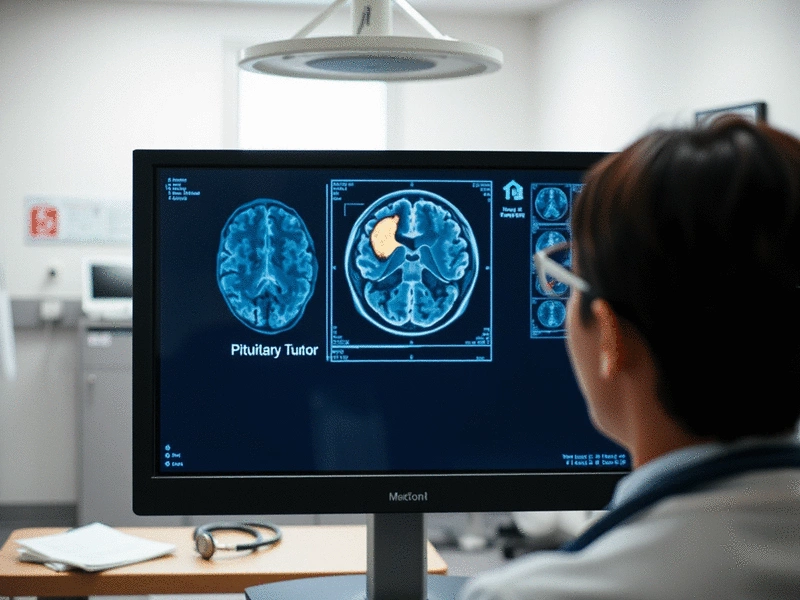
Have you ever considered how a small gland at the base of your brain could be pivotal to your overall health? The pituitary gland, often overlooked, plays a vital role in hormone production and regulation. Understanding its connection to conditions like hypogonadism can empower you to take charge of your health.
What You Will Learn
- Pituitary tumors, particularly adenomas, can disrupt hormone production, leading to significant health issues.
- Prolactinomas, a type of adenoma, specifically overproduce prolactin, causing sexual dysfunction and hormonal imbalances.
- Common symptoms of hypogonadism include chronic fatigue, reduced libido, depression, and muscle loss.
- Hypogonadism can be associated with comorbidities such as obesity and cardiovascular issues, necessitating a holistic treatment approach.
- Addressing psychological impacts, including anxiety and depression, is crucial for individuals experiencing hypogonadism.
- Simple lifestyle changes, such as regular exercise and a balanced diet, can significantly improve hormonal health and overall well-being.
- Finding support resources, including patient support groups, can enhance your journey towards managing hormone imbalances.
Pituitary Tumors and Hypogonadism: Key Connections and Impacts
This visual summarizes the relationship between pituitary tumors and hypogonadism, highlighting their types, roles in hormonal regulation, and the symptoms and impacts on quality of life.
What Are Pituitary Tumors?
Abnormal growths in the pituitary gland, often benign, disrupting hormone balance.
Key Types:
- Adenomas: General tumors (micro/macro).
- Prolactinomas: Overproduce prolactin.
Hormone Disruption
Exploring Hypogonadism: Symptoms
Condition where the body produces insufficient sex hormones.
Common Manifestations:
- Chronic fatigue
- Reduced libido & sexual dysfunction
- Depression & mood swings
- Weight gain & muscle loss
Quality of Life Impact
Pituitary Gland's Central Role
"Master gland" regulating hormones like testosterone, estrogen, cortisol.
Key Functions:
- Growth regulation
- Reproductive functions
- Metabolic control
Hormone Orchestra
Holistic Care & Psychological Impacts
Beyond physical symptoms, hypogonadism affects mental and emotional health.
Emotional Struggles:
- Anxiety & depression
- Difficulty concentrating
- Social withdrawal
Mental Well-being
Understanding the Connection Between Pituitary Tumors and Hypogonadism
When we talk about hypogonadism, it’s essential to understand its potential connections with conditions like pituitary tumors. These tumors can significantly affect hormone production and regulation, leading to a range of symptoms. At Hypogonadal Health, I aim to demystify these complex interactions to empower you with knowledge about your health!
In this section, we will delve into what pituitary tumors are, their types, and how they relate to hormonal health. Let's explore how these tumors can impact your well-being and the symptoms you might encounter.
What Are Pituitary Tumors?
Pituitary tumors, often referred to as adenomas, are abnormal growths that occur in the pituitary gland, a small gland located at the base of the brain. These tumors can disrupt the delicate balance of hormone production in our bodies. While most pituitary tumors are benign, their presence can lead to considerable health issues, especially when they affect hormone levels. To learn more about the complexities of pituitary adenomas, consider this detailed resource from the National Center for Biotechnology Information.
Understanding the types of pituitary tumors is crucial for recognizing their effects on health. The two main types include:
- Adenomas: General tumors that can cause hormonal imbalances.
- Prolactinomas: A specific type of adenoma that overproduces prolactin, often leading to sexual dysfunction and other hormonal issues.
Recognizing these types can help in identifying the symptoms and implications they carry for hormonal regulation.
Defining Types: Adenomas and Prolactinomas
Adenomas can vary in size and can be classified as microadenomas (small) or macroadenomas (large). Prolactinomas specifically elevate prolactin levels, which can result in disturbances in menstrual cycles for women and erectile dysfunction in men. It’s crucial to understand these distinctions as they guide treatment approaches.
The Role of the Pituitary Gland in Hormonal Regulation
The pituitary gland, often dubbed the "master gland," plays a pivotal role in regulating various hormones that influence numerous bodily functions. From growth to reproduction, it sends signals to other glands to produce hormones like testosterone, estrogen, and cortisol. When tumors interfere with this process, they can lead to significant hormonal imbalances, affecting your overall health.
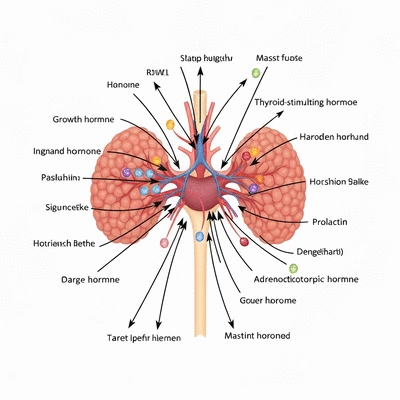
Exploring Hypogonadism: Symptoms and Impact
Hypogonadism can manifest in various ways and affects individuals uniquely. The symptoms can range from physical to psychological, creating a notable impact on your quality of life. Being aware of these signs is a vital step toward seeking help and understanding your body better. For a comprehensive overview of hypogonadism symptoms and causes, the Mayo Clinic provides valuable insights.
Some common symptoms of hypogonadism include:
- Chronic fatigue and lack of energy
- Reduced libido and sexual dysfunction
- Depression and mood swings
- Weight gain and muscle loss
These symptoms can be frustrating and overwhelming, but recognizing them is the first step towards reclaiming your health.
Recognizing Symptoms: From Headaches to Sexual Dysfunction
Headaches, a common complaint, can also be linked to hypogonadism. It’s fascinating how a hormonal imbalance can lead to such a wide array of symptoms, including sexual dysfunction. If you find yourself experiencing any of these symptoms, it may be time to consult a healthcare provider for an evaluation.
The Effects of Hormonal Imbalances on Quality of Life
Living with hormonal imbalances can diminish your quality of life. Imagine feeling perpetually tired or experiencing emotional ups and downs. This instability can affect both personal and professional relationships. Understanding these effects is crucial in advocating for your health.
Comorbidities Associated with Hypogonadism
Hypogonadism doesn’t exist in isolation; it can often be associated with other conditions such as obesity, metabolic syndrome, and cardiovascular issues. Addressing these comorbidities is vital for an effective treatment plan. By managing your health holistically, you can improve not just your hormonal balance but your overall well-being. For a deeper understanding of the correlation between pituitary disorders and hypogonadism, this article from PMC offers further reading.
We Want to Hear From You!
Have you or someone you know experienced the effects of hypogonadism? What symptoms stood out the most? Share your thoughts below:
Frequently Asked Questions About Pituitary Tumors and Hypogonadism
What is the pituitary gland's main role?
The pituitary gland, often called the "master gland," regulates crucial hormones that control various bodily functions, including growth, reproduction, and metabolism.
How do pituitary tumors lead to hypogonadism?
Pituitary tumors, especially adenomas and prolactinomas, can disrupt the normal production and regulation of hormones by the pituitary gland. This interference can lead to insufficient production of sex hormones, resulting in hypogonadism.
What are the common symptoms of hypogonadism?
Common symptoms include chronic fatigue, reduced libido and sexual dysfunction, depression and mood swings, and changes in body composition like weight gain and muscle loss.
Can hypogonadism affect mental health?
Yes, hypogonadism can significantly impact mental and emotional health, leading to anxiety, depression, difficulty concentrating, and social withdrawal. Addressing these psychological aspects is crucial for comprehensive treatment.
What lifestyle changes can help manage hormonal imbalances?
Simple lifestyle adjustments such as regular physical activity, a balanced and nutritious diet, and stress-reduction techniques like mindfulness or meditation can significantly improve hormonal health and overall well-being.
Where can I find support for managing hypogonadism?
Support is available through local mental health services, online forums, websites dedicated to hypogonadism, educational workshops, and patient support groups focused on hormonal health and endocrine disorders.
Holistic Care and Psychological Impacts of Hypogonadism
When dealing with hypogonadism, it’s important to not only focus on the physical symptoms but also to acknowledge the emotional and mental health aspects. Many patients experience significant changes in their mood, energy levels, and overall quality of life. Understanding these psychological impacts is essential for a comprehensive approach to treatment.
As someone who has worked closely with patients experiencing hormone imbalances, I’ve seen firsthand how hypogonadism can affect self-esteem and relationships. It’s not just about testosterone levels; it’s about how those levels influence day-to-day living and emotional well-being.
Understanding the Emotional and Mental Health Aspects
Hypogonadism can lead to a variety of emotional struggles, including anxiety and depression. Recognizing these concerns is vital. Here are key factors to consider:
- Increased feelings of sadness or hopelessness
- Difficulty concentrating or making decisions
- Withdrawal from social situations or activities previously enjoyed
Addressing these issues requires a multifaceted approach, combining medical treatment with psychological support. Regular check-ins with a mental health professional can be beneficial as you navigate the emotional landscape of hormone imbalance.

Addressing Quality of Life Concerns Related to Hypogonadism
Improving your quality of life is a key goal in managing hypogonadism. Simple lifestyle adjustments can make a significant difference. Consider the following:
- Engaging in regular physical activity
- Maintaining a balanced and nutritious diet
- Practicing stress-reduction techniques like mindfulness or meditation
These changes can not only boost your physical health but also enhance your emotional resilience. Remember, every small effort counts toward improving your overall well-being!
Support Resources for Patients and Families
Finding the right resources can make all the difference. Here are some valuable support avenues:
- Local mental health services that specialize in chronic illness
- Online forums and websites dedicated to hypogonadism
- Educational materials and workshops focused on hormone health
These resources can provide both information and a sense of community, allowing you to connect with others who understand what you're going through.
Connecting with Patient Support Groups and Community Resources
Joining a patient support group can be a game-changer. Not only do these groups offer emotional support, but they also serve as a platform for sharing experiences and strategies. Look for local or online groups focused on:
- Hormonal health and endocrine disorders
- General mental health and wellness
- Peer-led discussions on coping strategies
If you’re interested, I can help you find resources in your area or suggest online communities where you can connect with others facing similar challenges.
Concluding Insights on Pituitary Tumors and Hypogonadism
In summary, understanding the relationship between pituitary tumors and hypogonadism is crucial for managing the condition effectively. Each patient’s journey is unique, and recognizing both the physical and psychological impacts can lead to a more comprehensive treatment plan.
Recap of Key Points
Here is a quick recap of the important points discussed in the article:
- Pituitary tumors, particularly adenomas and prolactinomas, can disrupt hormone production and lead to hypogonadism.
- Common symptoms of hypogonadism include chronic fatigue, reduced libido, mood swings, and changes in body composition.
- Recognizing the psychological impacts of hypogonadism is crucial for comprehensive treatment, including emotional and mental health support.
- Lifestyle changes, such as regular exercise and a balanced diet, can significantly improve hormonal balance and overall well-being.
- Utilizing support resources and patient groups can provide valuable information and community for those affected by hormonal imbalances.

Dr. Maxwell Bennett
Dr. Maxwell Bennett is a dedicated endocrinologist with extensive experience in hormone health and endocrine disorders. With a passion for patient education and a commitment to advancing the understanding of hypogonadism, Dr. Bennett provides evidence-based insights and practical guidance to help individuals achieve optimal health and vitality. His expertise encompasses testosterone deficiency, hormone replacement therapy, and lifestyle management strategies that promote hormone balance.
Popular Posts
Finding Support in Hormone Therapy
![Hypogonadism Support Groups and Counseling: Emotional Health During Hormone Therapy]() What if the key to unlocking your vitality lies in understanding the hormones that influence your bo
What if the key to unlocking your vitality lies in understanding the hormones that influence your bo
 What if the key to unlocking your vitality lies in understanding the hormones that influence your bo
Impact of Lifestyle on Hypogonadism
![Environmental and Lifestyle Factors in Hypogonadism: Alcohol, Stress, and Toxins]() Recognizing that your environment can significantly influence your hormonal health is crucial. Have
Recognizing that your environment can significantly influence your hormonal health is crucial. Have
 Recognizing that your environment can significantly influence your hormonal health is crucial. Have
Measuring Lifestyle Impact on Testosterone
![Tracking Progress: Using Lifestyle Metrics to Monitor Improvement in Testosterone Levels]() Have you considered how fluctuations in your testosterone levels might affect your daily energy and
Have you considered how fluctuations in your testosterone levels might affect your daily energy and
 Have you considered how fluctuations in your testosterone levels might affect your daily energy and
Testicular Injury and Hormone Impact
![Trauma and Testicular Injury: How Physical Damage Leads to Hypogonadism]() Trauma to the testicles can have profound effects on hormonal health, but understanding the causes a
Trauma to the testicles can have profound effects on hormonal health, but understanding the causes a
 Trauma to the testicles can have profound effects on hormonal health, but understanding the causes a
